
Dr. Benjamin H. Krasne, M.D.
Board-certified physicianBoard-certified in anesthesiology, he reads medications and metabolism with a pharmacologist's eye, which shapes how he doses weight loss and longevity care.

Weight loss
GLP-1 shots, daily pills and non-GLP-1 options, prescribed after a free visit.
Start here
Brand-name injections
Pills and other options
Tap your state
State rules change what we can offer and how fast. Pick yours.
ESA and PSD letters, semaglutide, tirzepatide and medical card pages for every state we serve.
Popular ESA cities
Mobile IV in California
At-home hormone testing, clinician reviewed
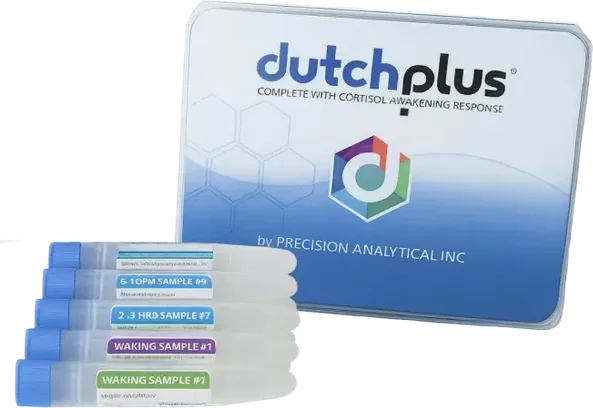
The DUTCH Complete test uses dried urine samples collected over one day to look at sex hormones, how your body breaks them down and how cortisol rises and falls. A licensed clinician helps you decide if it's the right test and explains the results.
Free to book. You pay only if you go ahead with treatment.
Wet a few filter-paper strips at set times over one day, let them dry and mail them in. There's no lab visit and no 24-hour urine jug.
The DUTCH Complete report shows sex hormones, how your body breaks them down and how cortisol rises and falls across your day.
A licensed clinician first checks that the DUTCH test fits your symptoms and tells you which day to collect, so your results are useful.
Your clinician walks you through the report, focusing on the sections tied to your symptoms, and notes when blood work would add useful context.
On a 5–10 minute phone or video call, a clinician reviews your symptoms, medicines and history, then confirms whether DUTCH or a blood test is the better choice.
If DUTCH is appropriate, a collection kit is mailed to you with written instructions, including which day to collect if you have a menstrual cycle.
Soak a strip at each of the timed collection points, record the times and let the strips dry fully.
Send the dried strips to the lab in the return packaging. Results usually take a couple of weeks once the lab has your samples.
A clinician walks you through your hormone and cortisol patterns and suggests sensible next steps.
Hot flashes, sleep changes and mood shifts can prompt a closer look at estrogen and progesterone patterns, in addition to standard evaluation.
Premenstrual symptoms or irregular cycles may be explored with a test timed to the right phase of your cycle.
The daily cortisol curve shows whether your stress-hormone rhythm follows the usual morning peak and evening dip.
Metabolite patterns can add context, though blood tests remain the usual way to monitor dose.
Suspected thyroid disease, diabetes, pregnancy or serious adrenal conditions such as Cushing's syndrome or Addison's disease call for blood tests and in-person evaluation instead.
| Feature | DUTCH Complete | Blood test |
|---|---|---|
| Sample | Dried urine, collected at home | Blood draw |
| Timing | Several timed samples over one day | One moment in time |
| Hormone metabolites | Yes | Usually not |
| Cortisol pattern | Curve across the day | Single reading |
| Best for | Metabolites and daily cortisol rhythm | Diagnosing most hormone disorders and dosing therapy |
| Price here | $399 | — |
The name is short for Dried Urine Test for Comprehensive Hormones. Instead of a blood draw, you wet small filter-paper strips with urine at a few set times during a single day, let them dry, and mail them to the lab. Drying makes the samples stable for shipping and spares you a 24-hour urine jug.
Because urine contains both hormones and the substances the body turns them into, the test can show more than a level. It reports estrogens, progesterone and androgens along with their breakdown products (metabolites), plus a picture of cortisol and cortisone across the day and a marker of melatonin.
That extra detail is useful context, but it doesn't make a DUTCH test the standard way to diagnose hormone conditions. Blood tests are still used for most diagnoses and for monitoring hormone therapy. Many clinicians use DUTCH alongside blood work rather than in place of it.
Results are grouped into sections. Your clinician will focus on the ones that relate to your symptoms.
A blood test captures hormones circulating at one moment. It's the standard for diagnosing most hormone disorders, checking thyroid function and adjusting hormone therapy doses. Some hormones, such as testosterone, are best measured in blood drawn in the morning.
A DUTCH test adds two things blood usually doesn't: a view of hormone metabolites and a cortisol curve across a day from samples you collect at home. Cortisol normally peaks in the morning and falls later in the day, so several samples tell you more about rhythm than a single draw. The two tests answer different questions, which is why they are often paired.
Timing matters. If you have a menstrual cycle, your clinician will tell you which day to collect, often in the second half of the cycle. Some hormone treatments, supplements and medicines can affect urine results, so share everything you take during your consult and don't stop prescribed medicine on your own. Collect on a fairly typical day, since unusual stress, poor sleep or heavy alcohol can shift cortisol.
Urine collection has no physical risk. The main limitations are about interpretation, which is why results are reviewed with a clinician.
Independently licensed U.S. physicians supervise every treatment we offer.
Board-certified in anesthesiology, he reads medications and metabolism with a pharmacologist's eye, which shapes how he doses weight loss and longevity care.

Trained at Columbia and Washington University, he pairs prescriptions with practical habits around food, training and sleep.

An OB-GYN for more than 40 years and a Fellow of ACOG, she leads women's health care, from perimenopause to PCOS.
Still deciding? The first consultation is free and takes about 5–10 minutes.
Book a free consultationThe name is short for Dried Urine Test for Comprehensive Hormones. It uses urine dried on filter-paper strips instead of a blood sample.
The DUTCH Complete test is $399. That covers the at-home kit, lab analysis and a clinician review of your results. The first consultation is free, and no insurance is needed.
The report covers three hormone families (estrogens, progesterone and androgens) and the metabolites your body makes from them. It also tracks cortisol and cortisone through the day, estimates total cortisol output, and includes a melatonin marker and some organic acids.
At each timed point during one day, you wet a filter-paper strip with urine and set it aside to dry. Once all strips are dry, they go back to the lab in the return packaging, following the kit's instructions.
It isn't more accurate; it's different. Blood tests remain the standard for diagnosing most hormone conditions. DUTCH adds metabolite and daily cortisol information that blood tests usually don't provide.
No. Menopause is usually diagnosed from your age, symptoms and cycle history. DUTCH can add context to your hormone picture, but no single test diagnoses it.
Many people collect in the second half of their cycle, but the best day depends on your situation. Your clinician will tell you which day to use.
Often yes, but some forms of hormone therapy affect urine results. Your clinician will explain whether and how to time your doses around collection.
Results usually take a couple of weeks after the lab receives your samples. You'll be notified when your report is ready to review.
It can be. Men sometimes use it to look at testosterone metabolites and cortisol rhythm. For diagnosing low testosterone, though, morning blood tests are the standard, so your clinician may recommend those first or as well.
Some supplements can affect results. Share your full list during your consult and follow the clinician's instructions rather than stopping things on your own.
Adrenal fatigue is not a recognized medical diagnosis. DUTCH can show your cortisol pattern, but serious adrenal conditions require blood tests and in-person evaluation.
A clinician explains your results in plain language and suggests next steps, which may include blood tests, lifestyle changes or a discussion of treatment options if appropriate.
We don't bill insurance for the DUTCH test. It's offered at a set self-pay price of $399.
For $399 you get the DUTCH Complete kit, lab analysis and a clinician review. Start with a free 5–10 minute phone or video visit to confirm it fits.
Medically reviewed October 2026. This page is general information and not a substitute for advice from your own clinician. Read our editorial policy.