
Dr. Benjamin H. Krasne, M.D.
Board-certified physicianBoard-certified in anesthesiology, he reads medications and metabolism with a pharmacologist's eye, which shapes how he doses weight loss and longevity care.

Weight loss
GLP-1 shots, daily pills and non-GLP-1 options, prescribed after a free visit.
Start here
Brand-name injections
Pills and other options
Tap your state
State rules change what we can offer and how fast. Pick yours.
ESA and PSD letters, semaglutide, tirzepatide and medical card pages for every state we serve.
Popular ESA cities
Mobile IV in California
Weekly tirzepatide for type 2 diabetes
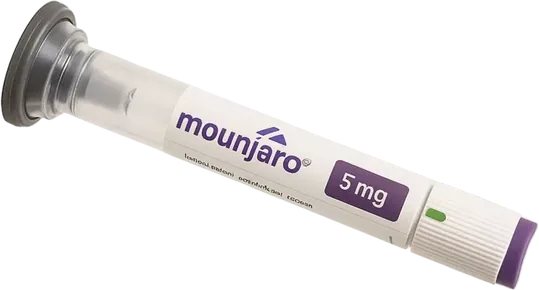
Mounjaro is a once-weekly tirzepatide injection approved to lower blood sugar in type 2 diabetes, and it often brings weight down too. A licensed clinician can review your diabetes care in a short online visit.
Free to book. You pay only if you go ahead with treatment.
Your clinician reviews your other diabetes medicines and may lower insulin or sulfonylurea doses when you start, to reduce your risk of low blood sugar.
You start at 2.5 mg weekly and step up by 2.5 mg after at least four weeks on each dose, guided by follow-up visits, up to 15 mg.
In the SURPASS-2 trial, A1C fell by 2.0 to 2.3 percentage points on Mounjaro. Your own results depend on your starting level, medicines and habits.
The first consultation is free and doesn't require insurance. Plans start at $299 a month; brand medication may cost extra, and your clinician confirms the total first.
Choose phone or video. The first consultation is free and does not require insurance.
In 5–10 minutes, a licensed U.S. clinician goes over your diagnosis, recent A1C, current diabetes medicines, kidney and eye history and other conditions.
If Mounjaro is appropriate, your clinician prescribes the 2.5 mg starter dose and may adjust insulin or a sulfonylurea to lower the chance of low blood sugar.
Keep checking glucose as advised. Your clinician uses your readings and A1C to decide on dose increases.
We encourage you to keep your primary care or diabetes team informed, especially about eye exams and kidney checks.
A confirmed diagnosis is required. Bring your latest A1C or glucose readings to the visit if you have them.
Mounjaro is often added when metformin or other medicines are not getting your blood sugar where you and your clinician want it.
Many people with type 2 diabetes also want to lose weight, and tirzepatide often helps with both.
One injection a week can be easier to keep up with than several daily pills.
People with type 1 diabetes, severe gastroparesis or a personal or family history of medullary thyroid carcinoma or MEN 2. It's also not for use during pregnancy or alongside another GLP-1 or tirzepatide product.
| Feature | Mounjaro | Zepbound | Ozempic |
|---|---|---|---|
| Active ingredient | Tirzepatide | Tirzepatide | Semaglutide |
| FDA-approved for | Type 2 diabetes | Weight management | Type 2 diabetes |
| How it's taken | Weekly injection | Weekly injection | Weekly injection |
| Plans from | $299/mo | $299/mo | $149/mo |
Mounjaro is Eli Lilly's brand of tirzepatide for type 2 diabetes. The FDA approved it as an add-on to diet and exercise to improve blood sugar control, and its label now covers adults and children aged 10 and older with type 2 diabetes. Our online program treats adults.
Tirzepatide acts on two hormone receptors, GIP and GLP-1. In people with type 2 diabetes, this prompts the pancreas to release insulin when glucose is high, lowers the release of glucagon, slows digestion and reduces appetite. The result is lower A1C for many people, often with weight loss as a side benefit.
Mounjaro is not approved for weight loss on its own, and it is not for type 1 diabetes. If weight is your main goal and you do not have type 2 diabetes, your clinician will usually discuss Zepbound, the brand of the same medicine approved for weight management. Brand medication may cost extra, and your clinician confirms the total before prescribing.
In the SURPASS-2 trial summarized in Mounjaro's FDA label, adults already taking metformin added either Mounjaro or semaglutide 1 mg for 40 weeks. A1C fell by 2.0, 2.2 and 2.3 percentage points on Mounjaro 5, 10 and 15 mg, compared with 1.9 points on semaglutide. About 82% to 86% of people on Mounjaro reached an A1C below 7%, versus 79% on semaglutide.
These are averages from a controlled study. How much your A1C changes depends on your starting level, other medicines, diet and activity.
You start at 2.5 mg once a week for four weeks; this dose is for getting used to the medicine and is not expected to control glucose. After that, the dose goes to 5 mg, and your clinician can increase it by 2.5 mg after at least four weeks on each dose. The adult maximum is 15 mg weekly.
Mounjaro on its own rarely causes low blood sugar. The risk rises when it is combined with insulin or a sulfonylurea such as glipizide or glimepiride, and your clinician may lower those doses when you start. Learn the signs of low blood sugar, such as shakiness, sweating, confusion and a fast heartbeat, and keep fast-acting sugar on hand.
If you have diabetic eye disease, tell your clinician. Rapid improvement in blood sugar has been linked to temporary worsening of diabetic retinopathy, so keep up with eye exams.
Stomach and bowel symptoms are the most common side effects and tend to settle over a few weeks. Your clinician screens for the risks below before prescribing.
Independently licensed U.S. physicians supervise every treatment we offer.
Board-certified in anesthesiology, he reads medications and metabolism with a pharmacologist's eye, which shapes how he doses weight loss and longevity care.

Trained at Columbia and Washington University, he pairs prescriptions with practical habits around food, training and sleep.

An OB-GYN for more than 40 years and a Fellow of ACOG, she leads women's health care, from perimenopause to PCOS.
Still deciding? The first consultation is free and takes about 5–10 minutes.
Book a free consultationMounjaro is FDA-approved for type 2 diabetes only. If you want help with weight and do not have type 2 diabetes, your clinician may discuss Zepbound or another weight-management option instead.
Plans start at $299/mo and your first consultation is free. Brand medication may add to the cost depending on dose, and your clinician confirms the total before prescribing.
No. Mounjaro is a GIP and GLP-1 receptor agonist that helps your body release its own insulin when glucose is high. It can be used alongside insulin, but they should not be mixed in one injection.
Ozempic contains semaglutide, which acts on GLP-1 only. Mounjaro contains tirzepatide, which acts on GIP and GLP-1. In a head-to-head trial, Mounjaro lowered A1C somewhat more than semaglutide 1 mg.
Many people with type 2 diabetes do lose weight on Mounjaro, but weight loss is not its approved use and amounts vary. Your clinician focuses first on safe blood sugar control.
Do not stop any diabetes medicine on your own. Your clinician will decide whether to keep, reduce or change your other medicines.
Some people see lower glucose readings within weeks, but the first month's 2.5 mg dose is a starter dose. A1C reflects about three months, so it is usually rechecked after that.
Your clinician will want a recent A1C and may ask about kidney function. If you do not have recent results, they can order tests.
On its own it seldom does. The risk goes up with insulin or sulfonylureas, which is why those doses may be lowered.
No. It is not indicated for type 1 diabetes.
No. Both contain tirzepatide, and the labels advise against using them together or with any other GLP-1 medicine.
Let them know you started Mounjaro, especially if you have diabetic retinopathy. Fast drops in blood sugar can temporarily affect the eyes.
Refrigerate it in the original carton. Single-dose pens and vials can be kept unrefrigerated for up to 21 days if needed. Never freeze it.
Book a free 5–10 minute phone or video visit. If Mounjaro fits your diabetes care, plans start at $299 a month, with follow-up for every dose change.
Medically reviewed October 2026. This page is general information and not a substitute for advice from your own clinician. Read our editorial policy.