
Dr. Benjamin H. Krasne, M.D.
Board-certified physicianBoard-certified in anesthesiology, he reads medications and metabolism with a pharmacologist's eye, which shapes how he doses weight loss and longevity care.

Weight loss
GLP-1 shots, daily pills and non-GLP-1 options, prescribed after a free visit.
Start here
Brand-name injections
Pills and other options
Tap your state
State rules change what we can offer and how fast. Pick yours.
ESA and PSD letters, semaglutide, tirzepatide and medical card pages for every state we serve.
Popular ESA cities
Mobile IV in California
At-home gut test, custom probiotics
Collect a small stool sample at home, learn which microbes live in your gut and receive a probiotic blend formulated from your own results. A licensed clinician helps you decide whether it fits your goals.
Free to book. You pay only if you go ahead with treatment.
A licensed U.S. clinician helps you decide whether the program fits your goals and flags symptoms that need medical care first.
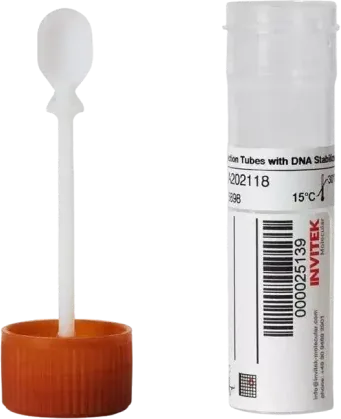
Collect a small stool sample at home and mail it to the lab. There is no appointment or blood draw involved.
See the variety of microbes in your gut and which groups are more or less abundant, explained in a report you can keep.
Your results are used to formulate a custom probiotic blend, and the basic program includes three months of it from $549.
Talk with a licensed clinician for about 5–10 minutes by phone or video. You'll cover your symptoms, history and goals, and whether a microbiome program makes sense.
Your kit arrives by mail with step-by-step instructions. You collect a small stool sample at home and send it back in the packaging provided.
The lab sequences your sample and prepares a report describing your gut microbes. Processing takes a few weeks.
A probiotic blend formulated from your results is shipped to you, and the basic program covers three months of it.
If you want a picture of your own microbial community rather than a one-size-fits-all probiotic, this is a structured way to get it.
Occasional bloating or irregularity that has already been checked by a doctor can be a reason to explore your microbiome.
After a course of antibiotics, a major diet change or travel, some people want to see how their gut community looks.
A second test after the program can show how your microbiome has shifted, though change varies from person to person.
Blood in your stool, black stools, unexplained weight loss, fever, severe pain or diarrhea that won't stop need prompt in-person care. People with weakened immune systems should talk with their doctor before taking probiotics.
| Feature | Gut microbiome test | Medical stool test |
|---|---|---|
| Question it answers | Which microbes live in your gut | A specific clinical question |
| Diagnoses disease | No, educational only | Yes, for what it tests |
| Ordered for | Curiosity, mild symptoms, tracking | Suspected infection, blood or inflammation |
| Includes probiotics | Three months, custom formulated | — |
| Price | From $549 | Varies |
Your gut is home to trillions of microbes, mostly bacteria along with fungi and viruses. The National Institute of Environmental Health Sciences describes the microbiome as all the microbes that live on and in the body, together with their genes, and notes that they contribute to health in many ways, from digestion to immune function.
This program uses Floré, a microbiome service from Sun Genomics. You collect a stool sample at home and mail it to the lab, where DNA sequencing identifies which organisms are present and in roughly what proportions. Your report describes the variety of your gut community and highlights groups that are more or less abundant than usual.
Those results are then used to formulate a custom probiotic for you. The basic program includes one microbiome test and three months of personalized probiotics. A microbiome report is educational. It is not a diagnostic test for infection, inflammatory bowel disease or cancer, and it doesn't replace care from a doctor for ongoing digestive symptoms.
The report is designed to describe your gut community rather than diagnose a condition. Typical sections include the following.
Probiotics are live microorganisms intended to have a health benefit. The National Center for Complementary and Integrative Health notes that research is promising for some uses, such as preventing diarrhea linked to antibiotics, but for many conditions it isn't yet clear which strains help, at what dose or who benefits most.
In the U.S., most probiotics are sold as dietary supplements, which do not need FDA approval before they are marketed and can't claim to treat disease. Personalized probiotics are a newer idea, and you may or may not notice a change in symptoms. Food still matters: fiber-rich plants, fermented foods and regular meals all influence your gut community.
When a doctor orders a stool test to look for a specific infection, blood or inflammation, the test is built to answer a clinical question. A consumer microbiome test answers a broader question: who lives in your gut. The two are complementary. If your clinician thinks you need a medical stool test, colonoscopy or GI referral, they'll tell you, and the microbiome program shouldn't delay that.
Stool collection itself carries no risk. Probiotics are generally well tolerated by healthy people, but they aren't right for everyone.
Independently licensed U.S. physicians supervise every treatment we offer.
Board-certified in anesthesiology, he reads medications and metabolism with a pharmacologist's eye, which shapes how he doses weight loss and longevity care.

Trained at Columbia and Washington University, he pairs prescriptions with practical habits around food, training and sleep.

An OB-GYN for more than 40 years and a Fellow of ACOG, she leads women's health care, from perimenopause to PCOS.
Still deciding? The first consultation is free and takes about 5–10 minutes.
Book a free consultationYou collect a small stool sample using the kit and mail it to the lab. The lab extracts DNA and sequences it to identify the microbes in your gut, then sends you a report.
Programs start at $549. The basic program includes one microbiome test and three months of custom probiotics. Your first consultation is free and no insurance is needed.
Floré is a gut microbiome service from Sun Genomics that combines at-home stool testing with probiotics formulated from each person's results. It's the program offered on this page.
The strains in your blend are chosen based on your microbiome report rather than a standard formula. Your probiotics are shipped to you once your results are processed.
No. A microbiome report describes your gut community but isn't a diagnostic test. IBS, inflammatory bowel disease and infections are diagnosed by a doctor using history, exams and specific medical tests.
Processing usually takes a few weeks from when the lab receives your sample. You'll be notified when your report is ready.
They may help some people, but results vary and aren't promised. Research supports probiotics for a few specific uses, while evidence for many others is still limited.
For most healthy people, probiotics are generally well tolerated, with mild gas or bloating the most common complaint. People with weakened immune systems or serious illness should check with their doctor first.
Don't stop prescribed medicines on your own. Recent antibiotics can change your results, so tell your clinician what you've taken and follow their advice on timing.
Most people find it simple. The kit includes clear instructions and the tools needed to collect a small sample hygienically at home.
Yes. Many people retest after the three months to see how their microbiome has changed. Your clinician can discuss whether a longer program makes sense.
Consumer microbiome programs are usually self-pay and not covered by insurance. We don't bill insurance for this service.
No. A microbiome test doesn't screen for colorectal cancer. Follow the colorectal screening schedule your doctor recommends.
Start with a free consultation, collect your sample at home and get a personal microbiome report plus three months of custom probiotics.
Medically reviewed October 2026. This page is general information and not a substitute for advice from your own clinician. Read our editorial policy.